How to Recognize and Treat Hammertoes and Corns
Not all foot pain comes from injuries or accidents. Conditions like hammertoes and corns show how abnormal pressure on your feet, over time, can lead to serious problems. These issues can cause pain, affect your walking, and, if left untreated, may even require surgery.
The good news is that these conditions can often be treated when identified early. Unfortunately, many people ignore the signs, silently suffering until they need complex surgical interventions. Raising awareness about these common problems can help prevent pain and avoid complicated treatments.
In this article, with insights from leading foot and ankle surgeon in Mumbai Dr. Pradeep Moonot we’ll help you understand how to spot hammertoes and corns early and explore the treatment options available to get you back on your feet comfortably.
What Are Hammertoes and Corns?
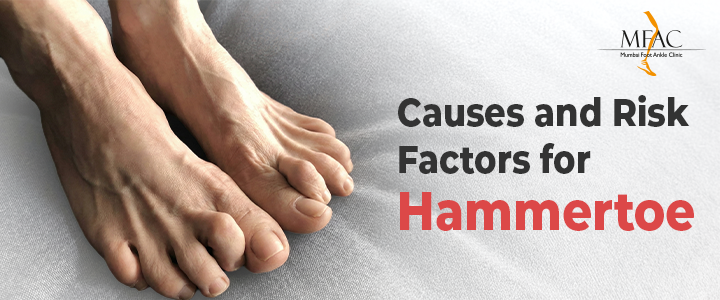
Hammertoes occur when one or more toes bend into a curved shape, resembling a hammer. Hammertoes can make wearing shoes painful and walking uncomfortable, most commonly affecting the second, third, or fourth toes.
Corns are thick, hard patches of skin that form on the tops, sides, or bottoms of your toes. They usually result from pressure or friction caused by tight shoes or prolonged walking. Corns are often painful, especially when pressing against shoes that don’t fit well.
How to Recognize Hammertoes and Corns?
- Hammertoes: Look at the shape of your toes. It could be a hammertoe if any are bent downward instead of lying flat. Pain or irritation, especially when wearing shoes, is another sign.
- Corns: These appear as round or cone-shaped areas of hard or thickened skin. Corns are more accessible to spot and often feel uncomfortable or painful when applying pressure.
Non-surgical and Surgical Treatment Options for Hammertoes:
Hammertoes are often caused by poorly fitting footwear that places excessive pressure on the toes. In some cases, they can be hereditary. Here are ways to manage hammertoe pain:
- Wear Comfortable Shoes: Choose footwear with a wide-toe box and soft tops to avoid putting extra pressure on your toes.
- Use Cushions or Pads: Toe pads can reduce friction and relieve irritation caused by shoes.
- Toe Exercises: Stretching or strengthening exercises like picking up objects with your toes can help improve alignment and flexibility.
- Soak Your Feet: Warm water soaks, especially with Epsom salt, can relieve pain and soften the skin.
However, there are cases where hammertoes persist even after trying conservative treatments. In such situations, surgery may be the best option to permanently resolve the issue.
The type of surgical procedure for hammertoes depends on whether the condition is rigid or flexible. Rigid hammertoes are often caused by arthritis and may require more invasive procedures, such as joint fusion or osteotomy (bone cutting). On the other hand, flexible hammertoes can be treated with less invasive methods like flexor tenotomy or arthroplasty, which help correct the deformity without extensive surgery.
Non-surgical and Surgical Treatment Options for Corns:
Corns develop due to friction and pressure, often caused by tight shoes or abnormal bone positions. Here’s how to manage them:
- Soak Your Feet: Warm water soaks for 10–15 minutes can soften the corn, making it easier to manage.
- Apply Corn Pads: Special pads protect the area from further pressure and provide relief.
- Moisturize Regularly: Use a good foot cream to keep your feet soft and prevent corns from thickening.
For corns, conservative methods often work, but in some cases, especially for people with diabetes or poor circulation, routine care may not be enough.
Corns can increase the risk of infections or even amputation in severe cases.
If shaving or other non-invasive treatments fail to address the problem, surgery might be necessary. This usually involves repositioning the bones and adjusting the joints to prevent the recurrence of corns.
Treatment for Hammertoes & Corns
Ignoring hammertoes and corns can lead to complications, including severe pain and the need for invasive procedures. Fortunately, both conditions are manageable with early care. However, these rigid hammertoes or untreated corns might require more complex surgical intervention when ignored.
So, taking care of your feet as early as possible is crucial for avoiding painful conditions that can stealthily worsen over time.
With over 20 years of expertise in foot, ankle, and sports medicine, Dr Pradeep Moonot is the best foot and ankle surgeon in Mumbai who has been providing tailored surgical & non-surgical treatments for all types of foot and ankle conditions.
Whether you’re seeking relief or exploring surgical options, Dr. Moonot provides exceptional care to restore comfort and improve your quality of life. Book your consultation today and take the first step toward healthy, pain-free feet.
How to Recognize and Treat Hammertoes and Corns
Foot problems can change the way a person walks each day. These changes often begin slowly and become painful over time. Many patients ignore early signs until simple movement becomes difficult. Early attention helps prevent long term deformity and reduces future complications.
Introduction to Hammertoes and Corns
Hammertoes form when the toe bends abnormally at the middle joint during movement. Corns form when skin thickens due to repeated pressure. Many patients seek hammertoes and corns treatment in Mumbai when pain begins to interfere with basic tasks.
Understanding Hammertoes
A hammertoe develops when muscle imbalance pulls the toe into a fixed downward position. This deformity affects push off during walking because the toe cannot extend properly. People often feel intense pain during pressure based activities. Many individuals consult a foot and ankle clinic in Mumbai for early assessment.
Recognizing Corns on Your Feet
Corns appear as thick hardened patches on areas that experience repeated friction. These patches often create sharp pain during walking on hard surfaces. Many patients seek hammertoes and corns treatment in Mumbai when the corns begin to crack or deepen. Thick corns may also signal a deeper biomechanical imbalance.
Causes and Risk Factors for Hammertoes and Corns
Others get hammertoes because of inherited foot structure which puts undue pressure on the toes. This deformity is also caused by muscle imbalance since the joints lose control. Corns are frequently developed when shoes cause friction in the same location repeatedly. When the conditions start to disrupt work or movement, many patients address the best foot and ankle surgeon in Mumbai.
Non-Surgical Treatment Options for Hammertoes and Corns
Early stage deformities respond well to structured care. Stretch based exercises support weak muscles and improve joint control. Protective pads reduce pressure on painful areas during walking. Toe spacers help maintain alignment during daily activity. Many patients follow hammertoes and corns treatment in Mumbai to prevent further deformity. A foot and ankle clinic in Mumbai also guides footwear changes for long term improvement.
Surgical Treatment Options for Hammertoes and Corns
Surgery is required when the deformities attain a stable level that cannot allow normal movement. Surgeons fix the joint position and repair the correct position of toes to improve functionality. A foot and ankle orthopaedic surgeon in Mumbai is preferred by many people because of the advanced correction procedures. Severe corns can also need to be removed in case of the failure of conservative care to alleviate pain.
Importance of Early Care and Consulting a Specialist
Early treatment helps to avoid deformities that are permanent and painful. Frequent check-ups can be used to detect minor changes before they can influence gait. Experts provide comprehensive evaluation that is concerned with biomechanics and long term stability. The best foot and ankle surgeon in Mumbai is consulted by many patients to be diagnosed and guided appropriately.
Key Technical Points for Patients
- Muscle imbalance influences the position of the toe with each step.
- Toe deformities interfere with the normal push off during walking.
- Corns develop as a result of the pressure in certain regions.
- Joint deformity is slowed down by early intervention.
- The choice of footwear has an effect on the pressure of the forefoot.
- Serious deformities should be corrected surgically.
- Strength training aids in long term foot stability.
- Frequent assessment helps to avoid concealed complications.
Conclusion
Hammertoes and corns should be taken care of at an early age to avoid discomfort in the long run. Hammertoes and corns treatment in Mumbai offers structured care to many patients. Individuals who have high-level deformity usually consult a foot and ankle orthopaedic surgeon in Mumbai to have corrective surgeries. The assistance of the most qualified foot and ankle surgeon in Mumbai helps to make a clear evaluation and specific recovery strategies. MFAC offers expert services by offering sophisticated assessment and elaborate management of hammertoes and corns of all degrees.